
Ben Hookey, 2026 Summer Student
There is something about fieldwork that makes even the best plan feel more like a suggestion.
You can check the tide, pack the truck, have your sampling location and everything figured out before leaving the office. Then you get to the site and the water is worse than expected, the weather changes, a piece of equipment decides not to cooperate that day, or the site looks completely different than you imagined. Suddenly, you are making a new plan.
That was one of the biggest things I learned during my summer at ACAP Saint John: sometimes knowing what to do is less about having the perfect answer and more about being willing to observe, adapt and trust your gut when it tells you to try something else.
This summer, I worked as a Field Assistant with ACAP Saint John as a Co-op student from Acadia University. One of the things I enjoyed most was that no two days looked the same. My work included water quality monitoring, fish surveys, tree planting, restoration, outreach, data collection, surveying, and plenty of other environmental fieldwork.
Some days were spent near the water collecting samples or setting nets. Other days involved planting trees, carrying equipment, installing restoration materials, or helping with community events. The variety kept me learning something new.
It also turned out to be a pretty good way to stay in shape.
Between walking through wetlands and woods in the middle of nowhere, carrying gear and planting trees, there was no shortage of physical activity. Some days felt like I had signed up for a workout program along with my summer job.
And those days were hot.
Very… very hot.
As tiring as some of those days could be, I liked being able to spend so much of the summer outside doing hands-on work. There is something rewarding about ending a day tired and dirty but being able to actually see what you accomplished.
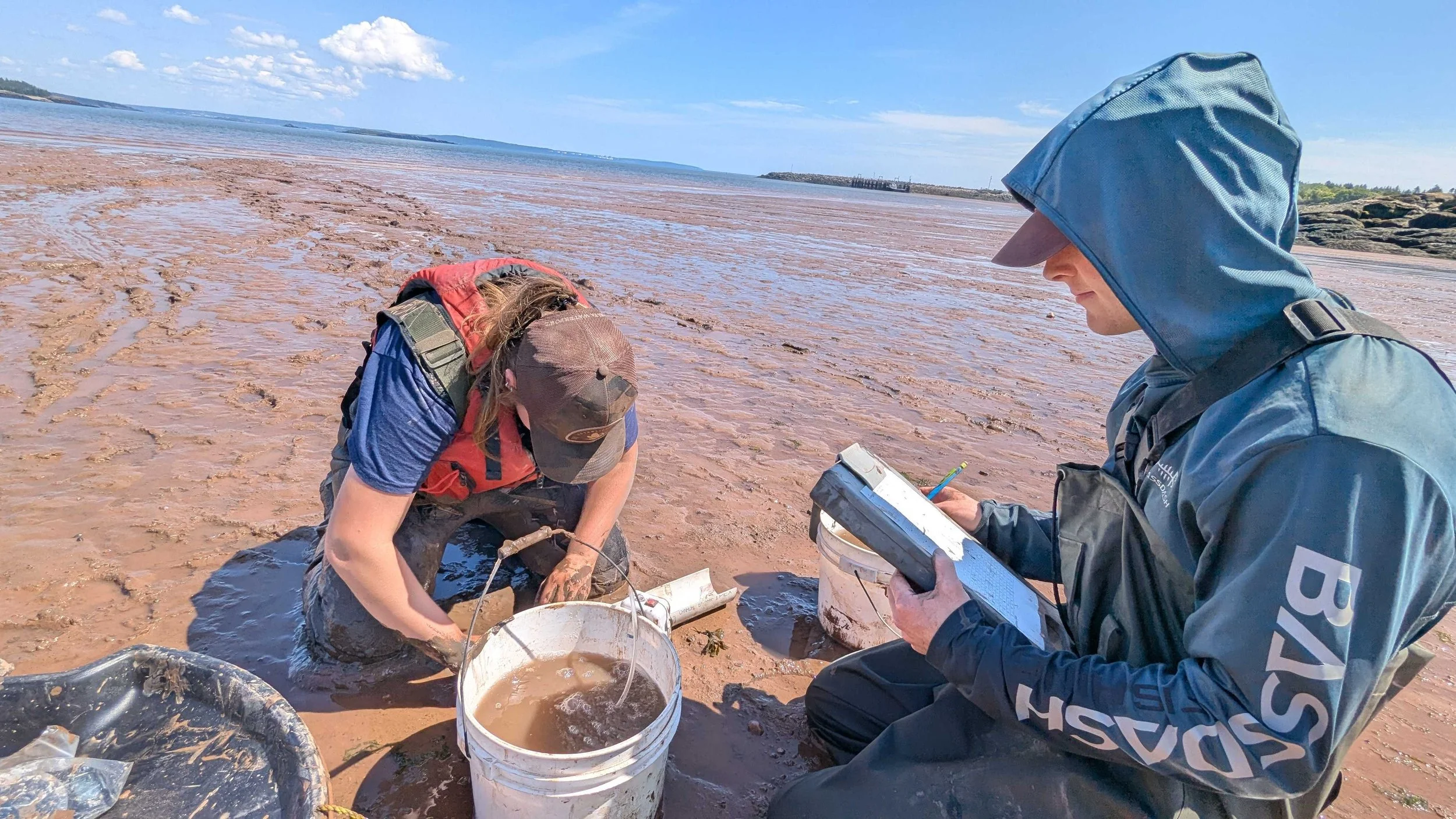
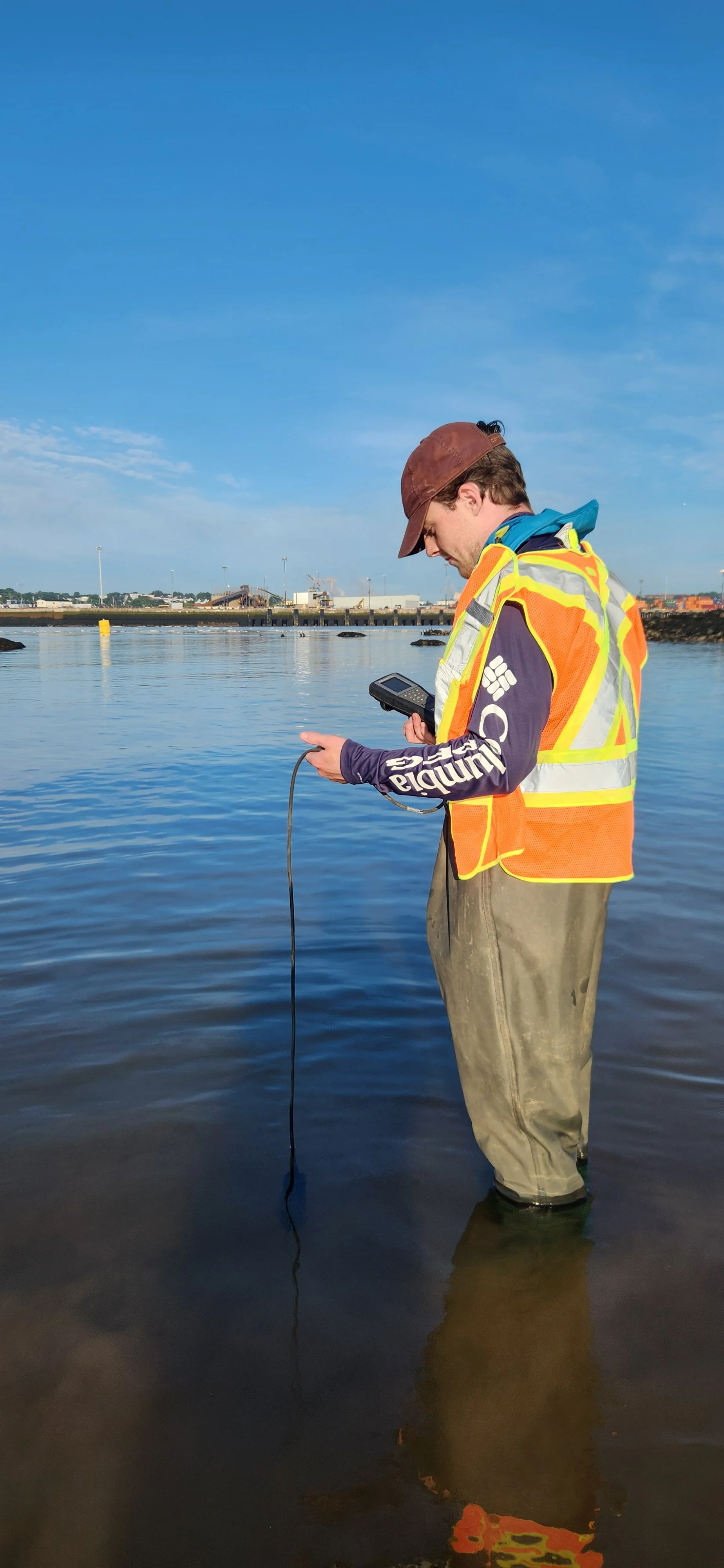
One of the most valuable parts of the summer was seeing how much goes into environmental work beyond collecting data. A water sample or fish survey might take only part of the day, but planning, consultation, preparation, site selection, and teamwork happen before and after the fieldwork.
Even with all that planning, I quickly learned that fieldwork rarely goes exactly as expected. A method that sounds perfect in the office may not work once you arrive at the site. Conditions change, equipment fails (most days) and sometimes the group has different ideas about the best way to approach a problem. There were definitely moments when we had to stop, rethink what we were doing and come up with a better solution. At first, it frustrating but over time though, I started to appreciate that part of the job. Environmental work requires flexibility, so being able to adjust a plan, listen to other ideas and problem-solve as a team became just as important as any technical skill I learned.
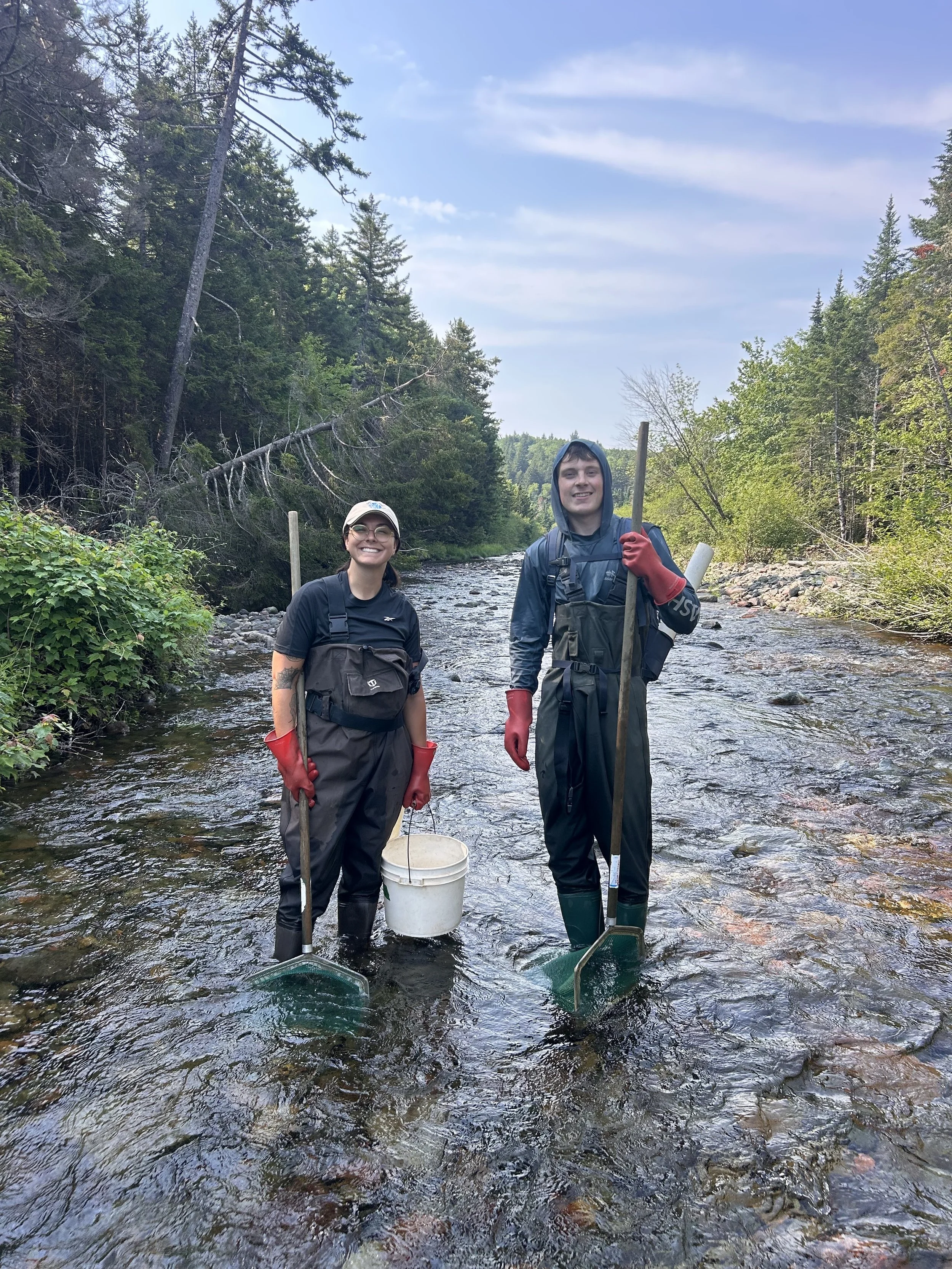
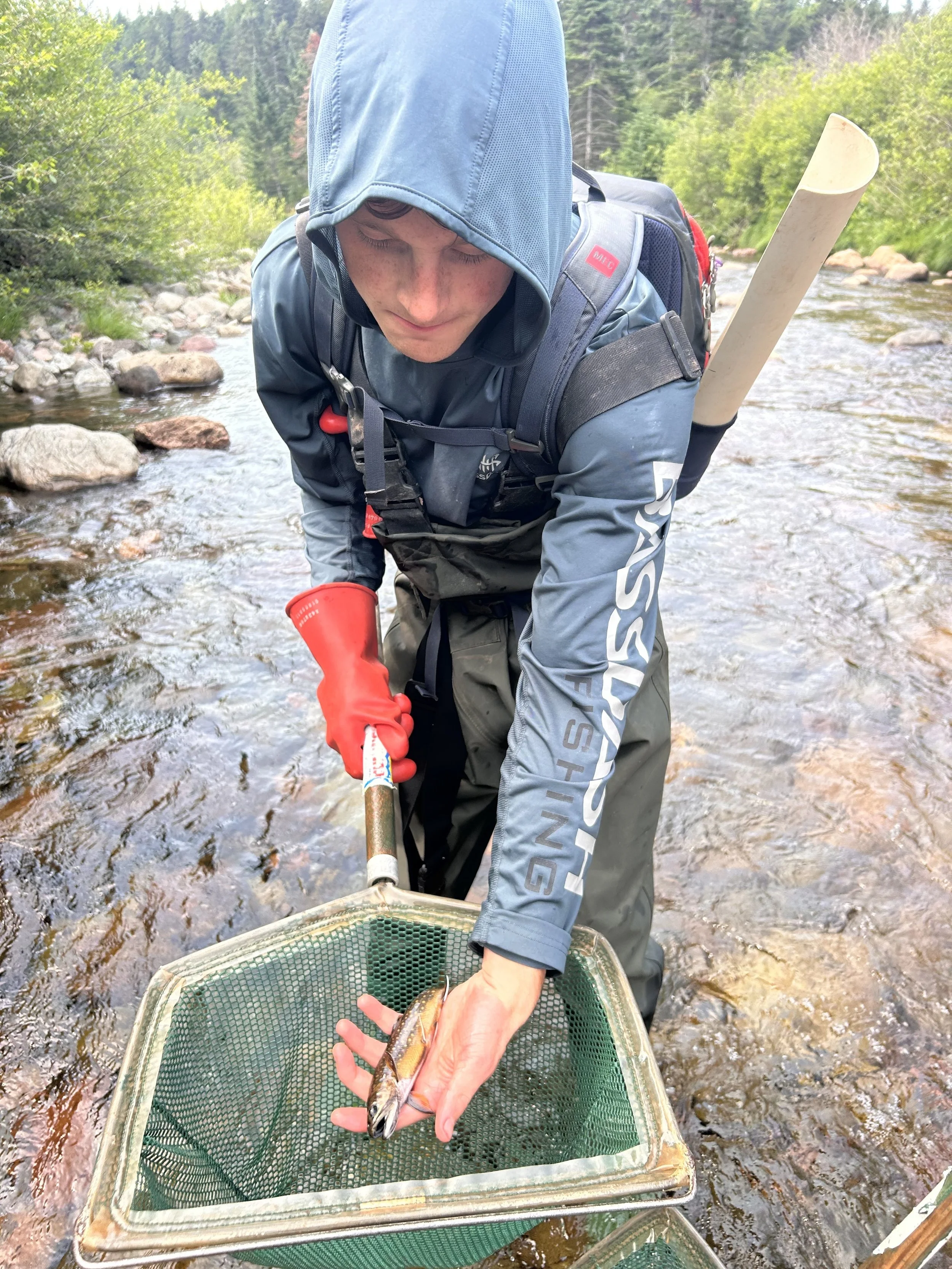
Even though we did so much, fish monitoring and aquatic work was easily one of my favourite parts of the summer. Fish biology/ecology are areas I am especially interested in, so getting to apply what I have learned to real situations was exciting—especially when I was actually getting paid to do it.
As the summer went on, I started giving more input on sampling locations, how we set up equipment and fish identification. It was rewarding to realize that although I was there as a student, I still had useful knowledge and experience to contribute. That carried into the rest of my work too. I became more willing to speak up, suggest a different approach, and help make decisions when something was not working.
At the same time, I was constantly learning from the people around me. Everyone had different areas of expertise, so there was almost always someone who knew something I did not. Asking questions became one of the best ways to learn.
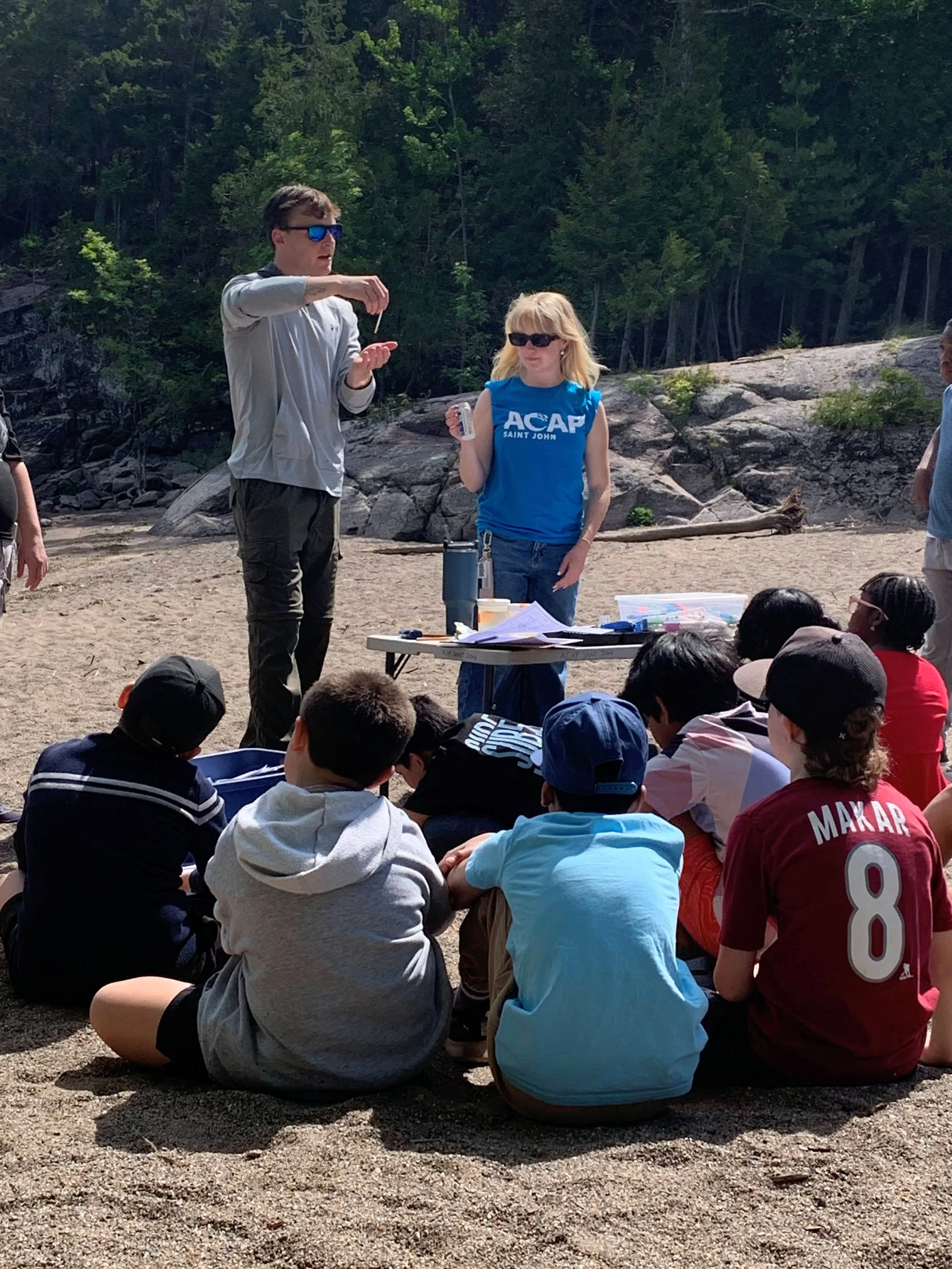
Another part of the position I really enjoyed was outreach. Being involved in events for different ages gave me a chance to talk with people about the work ACAP does and why it matters to the Saint John community. It also showed me that knowing the science is only one part of environmental work. Being able to explain it in a way that makes sense to someone outside of the field is just as important.
Outreach helped me see how fieldwork, research, education and community involvement connect. The data means more when people understand why it matters to the places around them.
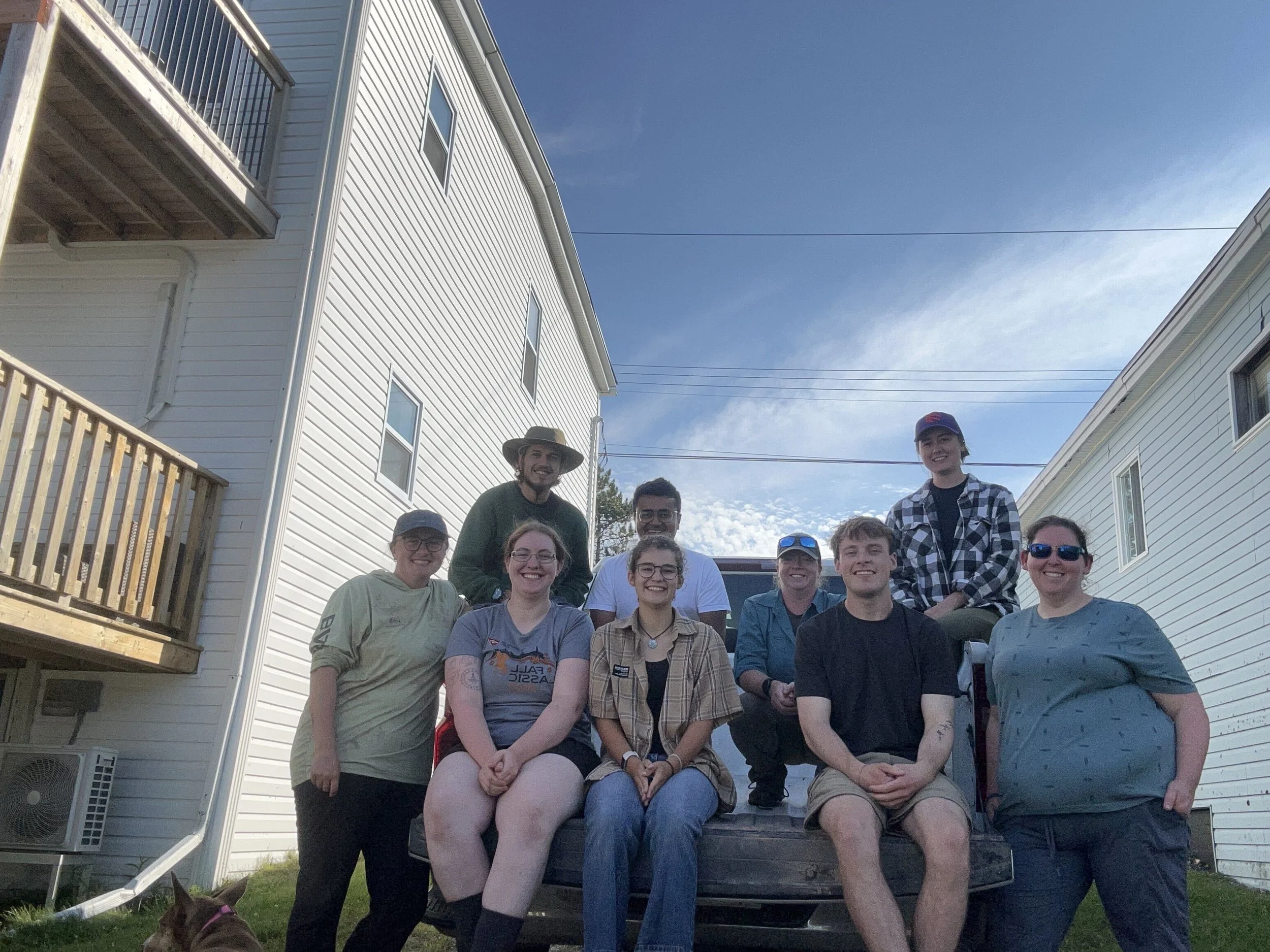
One thing I cannot forget to mention about this summer is the people who make ACAP what it is.
I was surrounded by people who are incredibly knowledgeable in their own areas. There was almost always someone who could answer whatever random question I came up with that day, and just being around people with that much knowledge and experience taught me a lot.
What impressed me even more was seeing how much work goes into keeping the organization moving. Much of it happens behind the scenes: planning, writing, organizing, coordinating and problem-solving to keep projects on track.
Their commitment sometimes goes beyond what you might normally expect from a job. There were days when staff used their own personal vehicles to get people or equipment into the field simply because the work needed to get done. It may seem like a small example, but I think it says a lot about the people here. They genuinely care about ACAP, the projects they are working on and the environment they are trying to protect.
On top of that, they made ACAP a genuinely enjoyable place to work. There was always someone willing to teach me something, answer a question, hear an idea or have a laugh after a long day. The people here played just as big a role in my experience as any project I worked on.
Like any summer job, there were things I would have happily done more of. I definitely would not have complained about a few extra fishing days. Still, I came to appreciate the variety because it exposed me to areas I may not have chosen for myself.
By the end of the summer, I had a better appreciation for how connected this work really is. Planting trees, monitoring water quality, surveying fish and speaking with the public can look like different jobs, but they all contribute to understanding and improving the environment around us.
That variety also helped me figure out more about what I enjoy. Fish and aquatic ecosystems are still a major interest of mine, but this summer also made me more interested in other areas such as forestry, environmental engineering and policy. I liked having a job where I could learn something new, work outside and contribute to something with a purpose.
Looking back, I came into ACAP hoping to gain more hands-on experience. I am leaving with that, but also with a much better understanding of what environmental work actually looks like when you are the one doing it.
Sometimes it looks like collecting data on the water.
Sometimes it looks like planting trees in the heat.
Sometimes it looks like explaining science to someone at an outreach event.
And sometimes it looks like standing in the field realizing that the plan you made that morning is definitely not going to work.
I started the summer hoping to gain experience, and I am leaving with plenty of it, a few more skills, a lot more stories, probably a few more muscles and an even stronger interest in continuing this kind of work.
Thank you to everyone at ACAP Saint John for the knowledge, opportunities, laughs and all the experiences that made this summer what it was. More than anything, thank you to the people here for showing me how much passion and hard work goes into making an organization like ACAP successful. Seeing people who care this much about the work they do gives me a lot of hope and excitement for wherever my own career takes me.
If there is one thing fieldwork taught me this summer, it is that plans change.
You just have to be willing to change with them.